


 A Fellow of the Association of Clinicians for the Underserved Spotlight
Dr. Tareq Nabhan, Assistant Clinical Professor at the University of Missouri-St. Louis College of Optometry, is a visionary leader in expanding access to eye care through telehealth, education, and advocacy. A Fellow of the Association of Clinicians for the Underserved, his work is centered on shaping the next generation of optometrists and advancing the use of telemedicine to bridge healthcare gaps for underserved populations.
A Personal Journey to Optometry
Dr. Nabhan’s passion for optometry is rooted in his personal experiences. “I was always a patient of the profession,” he shared, reflecting on how his own vision challenges in his youth shaped his desire to give back. A Palestinian born in Jordan but raised in Kansas, Dr. Nabhan learned early on how to recognize and navigate cultural differences and adapt to unfamiliar environments. His experience led him to value empathy, cultural understanding, and international humanitarian law — qualities that have guided his professional journey and his work as an educator and humanitarian.
“Every day I was living in two worlds — American at school, and Palestinian at home. That unique upbringing has given me a broader perspective, helping me understand how vital it is to address the healthcare and human rights disparities many people unnecessarily face,” he explained.
Transforming Education in Optometry
At the core of Dr. Nabhan’s work is his commitment to humanity by educating future optometrists. He recognizes that teaching students is one of the most powerful ways to make a large-scale impact. “If we can educate students to approach care with empathy and awareness of global health challenges, we’re setting them up to be agents of change in their own communities and beyond,” he said.
As an educator, Dr. Nabhan has developed a telehealth course that empowers students to understand the potential of remote healthcare solutions. The course explores how telehealth can overcome barriers such as geographical distance, limited access, and affordability. “Telehealth, when delivered appropriately, can be an essential tool to safely expand the reach of optometry, especially in areas with limited access to care,” he said. His teaching approach goes beyond the technical aspects of telemedicine; it also encourages students to think critically about the broader political, economic, and social factors that impact healthcare access and delivery.
Dr. Nabhan aims to equip students with not just the clinical skills they need but also a deep understanding of the systemic barriers to healthcare. “Optometry is more than just a medical discipline; it’s a way to engage with humanity in order to improve our own optics of global circumstances. Students need to be aware of these larger issues to make a real difference in the world,” he explained.
The Impact of Teleretina in Expanding Access
Dr. Nabhan is a strong advocate for teleretina services, which use remote technology to assess retinal health. He is engaged in research to develop more portable, affordable tools. These innovations are particularly transformative in underserved areas, where access to specialized care may be limited. “Teleretina allows optometrists in resource-poor regions to evaluate retinal images and diagnose conditions remotely. This can save lives by detecting diseases that might otherwise go unnoticed until they reach critical stages,” he said.
Through teleretina services, optometrists can serve as the first line of defense in detecting retinal diseases and can refer patients to ophthalmologists when necessary. This approach increases the capacity of eye care systems and ensures that more people receive timely, sight-saving or even life-saving care. “Teleretina has the potential to be a game-changer for scaling eye care globally, especially in low- to middle-income countries where specialist care may be scarce,” Dr. Nabhan noted.
Dr. Nabhan’s efforts to integrate telemedicine into optometry are part of a broader mission to reduce disparities in healthcare access. By educating students about the benefits of telehealth, he hopes to inspire the next generation of optometrists to embrace these innovations and use them to serve underserved communities.
Holistic Care and Humanitarian Advocacy
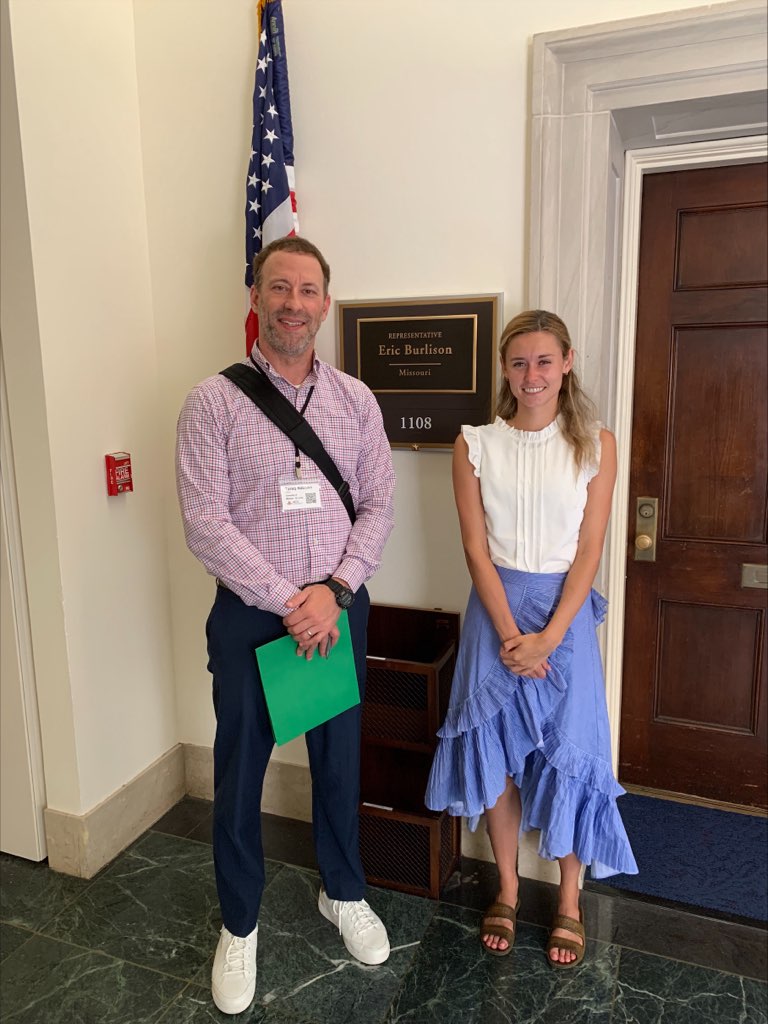 Dr. Nabhan believes that effective optometrists must consider more than just the eyes; they must understand the person as a whole. “When I talk to students, I emphasize the importance of holistic care. We’re not just treating eyes—we’re caring for human beings, each with unique challenges and circumstances often not of their own choosing,” he said.
This perspective is especially important in underserved communities, where social, economic, and political factors can prevent individuals from receiving the care they need. Dr. Nabhan recalls a moving example from his own practice of how addressing social barriers to care can transform lives. “We had a 19-year-old patient with a serious bilateral eye condition who lacked insurance. We believed it to be secondary to a systemic condition that warranted extensive medical testing and treatment. By working with social workers, we were able to secure a healthcare grant for the patient within an hour, giving them access to all necessary care at zero cost,” he explained. “It was life-changing for them that this governmental offering was systematically in place, and that’s the kind of impact we can have when we address and leverage available resources. It’s vital these resources remain available and that genuine efforts to prevent such circumstances are prioritized earlier upstream in all healthcare systems.”
Dr. Nabhan’s humanitarian efforts extend to international initiatives as well. In 2019, he helped establish OneSight’s first humanitarian eye care clinic in the Middle East, where he and a team of volunteers from around the world provided comprehensive eye care services and eye wear solutions to nearly 3,000 Palestinian, Iraqi, Syrian, and Yemeni refugees along with underserved Jordanians. “It’s no secret that the Eastern Mediterranean region has been ignored by nearly all western humanitarian eye care agencies, so it was about more than just providing care—it was about breaking down cultural and political barriers, exposing institutional biases, and seeing people as human beings,” Dr. Nabhan said. These experiences have shaped his belief in the importance of humanitarian and human rights laws, and the power of eye care to foster global awareness and understanding.
Looking Ahead: Empowering the Next Generation
Dr. Nabhan’s vision for the future of optometry is one where students are equipped not only with technical skills but also with the knowledge and empathy to serve diverse populations around the world. He believes that with the right education to expose students to the injustices many people around the world face, the students can become leaders who challenge inequities and bring about systemic change.
“If we can inspire students to take these tools—whether teleretina, telehealth, or new AI technologies—and use them to build awareness of the circumstances of the beneficiaries of these solutions, we can have a scalable impact,” he said. By focusing on expanding education and access to validated technologies, Dr. Nabhan hopes to contribute to a future where eye care is universally accessible and positively influences both social determinants of health and sustainable development goals, regardless of location or socioeconomic status.
Conclusion: Shaping the Future of Optometry
Dr. Tareq Nabhan’s work is transforming the future of optometry through his dedication to education, telehealth, and humanitarian advocacy. By teaching students to approach optometry with a global perspective and encouraging them to embrace telemedicine, he is preparing the next generation to tackle the pressing healthcare and human rights challenges of our time.
Dr. Nabhan’s efforts underscore the importance of breaking down barriers to healthcare access and empowering future professionals to become advocates for systemic change. Through his work, he is not just changing the way we see healthcare; he is also helping to shape a more just, empathetic, and accessible world for all through established human rights laws. “Although we improve the sight of our patients, the beneficiaries of better vision must also be the providers and all involved government agencies. Only then can we realize our shared humanity.”
